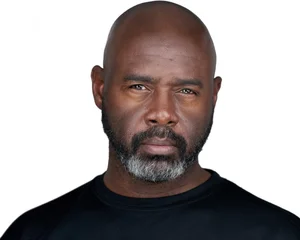
How to Plan Your Company's Headshot Day
A well-organized headshot day can provide your team with professional, consistent images while minimizing disruption to the workday. Whether you're updating employee profiles, refreshing your company website, or strengthening your brand presence on LinkedIn, a little preparation goes a long way toward ensuring a smooth and successful experience.
Define Your Goals
Before scheduling your headshot day, determine how the images will be used. Consider whether the photos will appear on your website, LinkedIn profiles, marketing materials, speaking engagements, or internal communications.
Having a clear purpose helps guide decisions about style, backgrounds, image consistency, and scheduling.
Choose the Right Date
Select a date that avoids major meetings, deadlines, or company events. Midweek days often work best, as employees are generally more available and schedules tend to be more predictable.
If your organization has multiple offices or departments, consider whether a single day or multiple sessions would better accommodate everyone.
Communicate Early
Notify employees several weeks in advance and explain:
Why the headshots are being updated
How the images will be used
What to expect during the session
How much time they should allow
What they should wear
Providing this information early helps employees arrive prepared and confident.
Provide Wardrobe Guidelines
Professional attire should align with your company's brand and culture. While every organization is different, these general recommendations work well:
Recommended
Solid colors
Well-fitted clothing
Business or business-casual attire
Simple accessories
Avoid
Busy patterns
Large logos
Wrinkled clothing
Neon colors
Distracting accessories
When in doubt, encourage employees to dress similarly to how they would for an important client meeting.
Select the Right Space
A dedicated space helps create consistent, professional results.
Ideally, the area should provide:
Approximately 10 feet by 6 feet of open space
Access to electrical outlets
Minimal foot traffic
The ability to turn off overhead lights
Window coverings that can be closed if needed
A conference room, training room, or unused office space often works well.
Create a Schedule
One of the most important factors in a successful headshot day is organization.
Consider creating a sign-up schedule or assigning specific time blocks to departments. This minimizes waiting and keeps the day running efficiently.
For larger teams, having a designated company contact coordinate employee flow can be extremely helpful.
Encourage Professional Grooming
Employees don't need to make dramatic changes to their appearance, but a little preparation can make a big difference.
Suggestions include:
Freshly pressed clothing
Neat hair styling
Light makeup if desired
Clean-shaven or well-groomed facial hair
Bringing a lint roller or brush
The goal is for employees to look like the best version of themselves.
Plan for New Hires
If your company experiences frequent growth, consider establishing a process for photographing new employees throughout the year. Maintaining a consistent look across all team members strengthens your brand and creates a more professional appearance online.
Allow Time for Setup
Professional photographers typically arrive before the first scheduled session to set up lighting and equipment. Allowing sufficient setup time ensures everything is ready before employees begin arriving.
Invest in Consistency
Consistent headshots create a stronger first impression for clients, partners, and prospective employees. Matching lighting, backgrounds, and posing styles across your team helps reinforce a polished and professional brand image.
A company headshot day is more than a photography session—it's an investment in your organization's professional image. With thoughtful planning and clear communication, you can create a seamless experience for your employees while producing images that represent your company at its best.